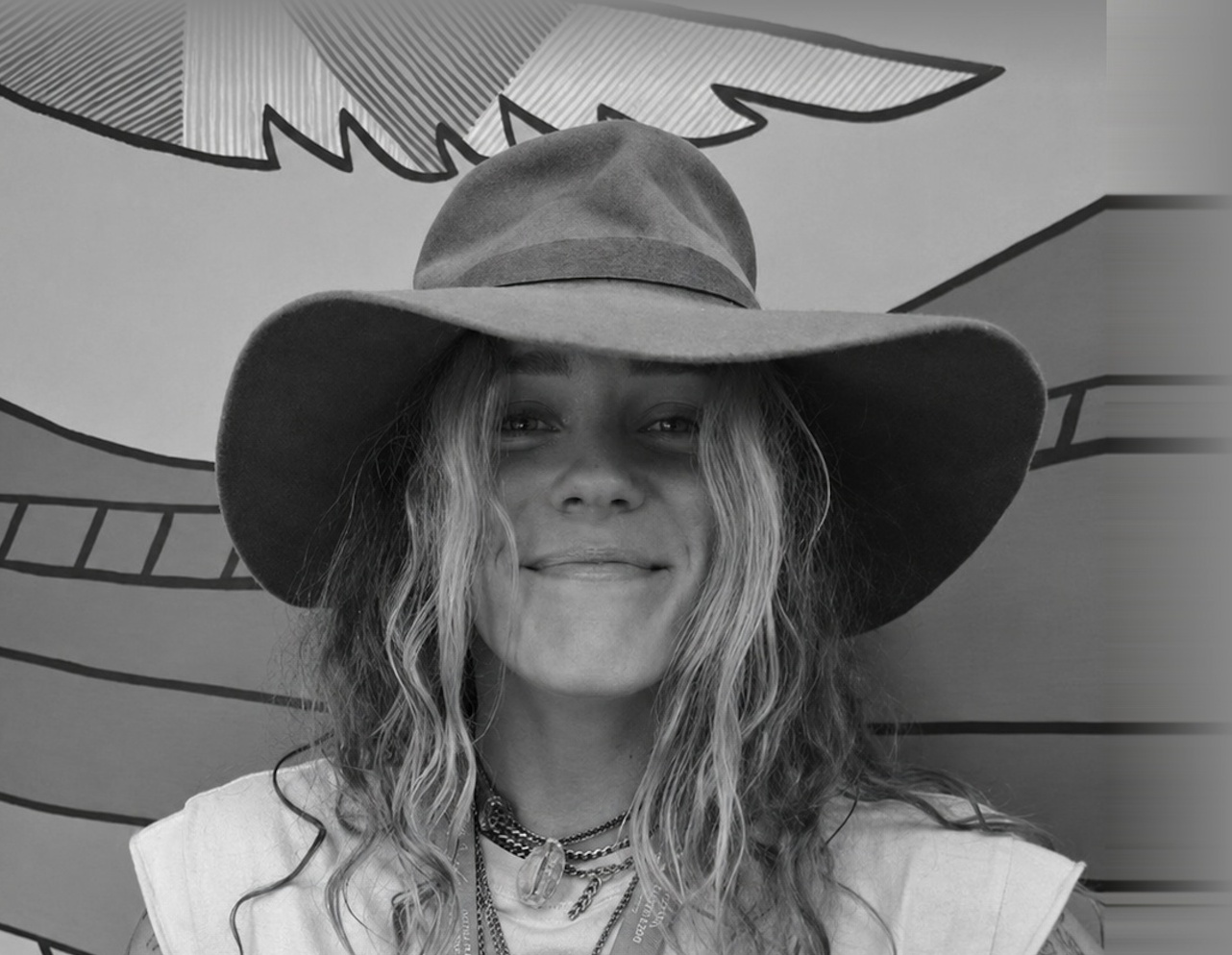
I work across Traditional Owners, government and industry, so what's needed on the ground and what's fundable on paper end up being the same thing.
IPA delivery, ranger program design and joint management structures — equally comfortable across IRP, ARP and other program models, with Traditional Owner decision-making always at the centre.
Acquittals, milestone reporting and briefing materials aligned to State and Commonwealth frameworks. Liaison that puts community's voice first, then shapes it to fit government requirements.
Frameworks — including tiered-access data systems — that put communities in control of how cultural knowledge is held, shared and protected, while still meeting research and reporting obligations.
Some days that's starting the campfire and cooking for camp. Other days it's mapping out an on-Country trip, building a training pathway, representing a corporation at a regional forum, or getting a tricky grant application over the line. Whatever's actually needed, I'm in — adaptable, hands-on, and comfortable filling the gap.
I work in community and governance spaces that aren't mine. I know exactly whose Country and whose decision-making this is, and I show up accordingly.
Right now, there are real gaps in these systems — gaps that need hands and feet on the ground today, not another round of planning. I can fill that need immediately. But the gap was never mine to keep, so the work is built as temporary relief on top of sustainable practice: bringing people along, leaving the learning behind, so it doesn't reopen the minute support leaves.
Coordinated the Indigenous Protected Area (proposed at 557,000+ hectares) and the Elders & community engagement stream of the wider Strong Countries program, while holding responsibility for acquittals and governance reporting across the program's full $2M+ annual funding, spanning fire, water, conservation and training portfolios. Managed NIAA and DCCEEW-funded assets including a five-vehicle fleet and field equipment. Worked alongside ecologists, anthropologists and linguists to integrate Traditional Ecological Knowledge with two-way science, and represented the region through the Pilbara Ranger Network Governing Committee.
Supported visitor and community infrastructure planning at Purungunya National Park under joint management with DBCA — from architectural design of the community hub through to site location and priorities, shaped by extensive on-Country consultation with community.
Coordinated evacuations, welfare checks and urgent medication access across isolated communities, liaising between residents, community and government agencies through the early recovery phase. Recognised with a Community Hero Award for leadership during the response.
Eight years in community came before the degree, not the other way around. The degree isn't where the credibility comes from — it just aims to open a few doors and lend me an ear or two.
Most of what's needed already exists — the funding, the frameworks, the knowledge already sitting with mob. Where it often gets complicated is the process in between. That's the gap this practice works to close.
Most of this work happens behind the scenes — funding, reporting, governance frameworks, the parts nobody sees. The more of that someone like me can take on, the more time mob get to spend on Country instead of behind a desk. But when a hand's needed out there too, I'm just as ready to drive the cruiser, pull calotropis or get the fire started.
Pick what best describes you and I'll point the conversation the right way from the start.